
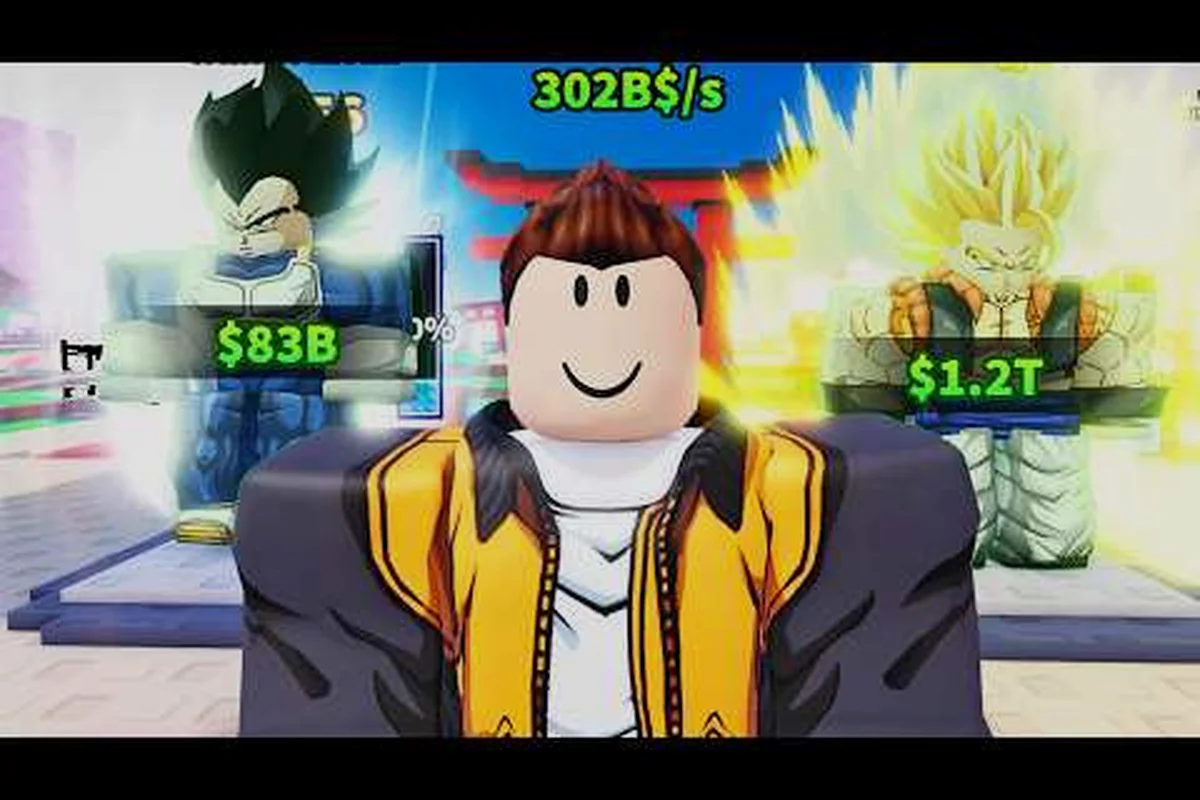
The Beat the Anime Boss version history is short, fast-moving, and surprisingly dense. Since the Roblox idle launched on July 14, 2026, Fun and Giggles Games has shipped a launch window, a stabilization pass, and a full raid expansion, all of which is reflected in the [UPD 2] tag already on the the studio's official Roblox page. This timeline walks through every patch log entry, from the original Update 1 tuning pass to the September 12, 2026 release of Update 2, and breaks down what actually changed for the player, not just what the changelog headline says.
For anyone who has jumped back in after a few weeks away, the shape of the Beat the Anime Boss update cadence explains most of the new content. Unit pools expanded, raid bosses were introduced, the offline-earn curve was rebalanced, and the code economy was rebuilt around milestone drops rather than a fixed rotation. Reading the patch notes in order also makes the next patch easier to predict, because each Beat the Anime Boss update has consistently followed a "fix the launch pain, then add the next pillar" pattern.
The Launch Window and Pre-Update 1 State
The pre-patch baseline is worth pinning down because every later Beat the Anime Boss changelog entry compares back to it. When the game first went live on July 14, 2026, players had access to a small set of anime-themed bosses, a basic unit collection loop, and the offline-earn mechanic that still anchors the experience. According to the official Roblox listing, the developer registered the experience with eight-player servers and an idle backbone, meaning most of the tuning work since then has been about pacing, drops, and progression rather than the core loop.
The first weeks of the Beat the Anime Boss update schedule were not numbered the way later patches were. The studio referred to internal hotfixes, and the public-facing changelog only really starts counting from Update 1, which means anything between launch and the first labeled patch is effectively "Launch" in the version history. Community testing in early August 2026 showed that several bosses had placeholder drop tables, and the Summoner leveling curve was steeper than the developer later confirmed, both of which would feed directly into the first official patch.
What the Game Looked Like at Launch
A side-by-side reading of the launch state versus the present version makes the scope of Beat the Anime Boss update 1 and update 2 easier to appreciate. The following table lists the systems that existed in the launch window and the rough state each one was in before the first labeled patch landed.
| System | Launch State | Notes for Version History |
|---|---|---|
| Boss list | Small anime-themed roster | Later expanded in update 2 |
| Unit collection | Basic drop pool | Rebalanced in update 1 |
| Offline earn | Enabled, generous curve | Reined in during update 1 |
| Raids | Not present | Added in update 2 |
| Codes | Limited pre-launch set | Rebuilt around milestones in update 2 |
This snapshot is useful because the rest of the Beat the Anime Boss changelog essentially reads as a series of adjustments to these five pillars. Whenever a future patch touches one of them, it is almost always a follow-up to a change that started in either Update 1 or Update 2.
Update 1 — Stabilization and Tuning
The first numbered entry in the Beat the Anime Boss version history landed in late August 2026 and was framed as a tuning and stabilization pass. Rather than adding a new pillar to the game, Update 1 focused on flattening the parts of the launch experience that had caused the most community friction. The patch log, which was mirrored on the developer's Roblox group and later summarized in the the community's official group, emphasized three priorities: a smoother offline-earn curve, fairer boss drop rates, and clearer feedback in the Summoner leveling screen.
In practical terms, the Beat the Anime Boss update 1 changelog included the following notable changes. The offline-earn multiplier was toned down slightly so that active play mattered more, and a cap was added to prevent very long sessions from snowballing out of proportion. Several bosses that had been effectively unbeatable for solo players in the launch window had their damage values reduced, and the unit drop tables for those fights were adjusted so that a typical run produced at least one mid-tier unit. The Summoner leveling screen was also retooled, with the XP bar replaced by a clearer stage indicator and the roll-bonus preview moved into a tooltip that players could read before committing a level.
Key Tuning Areas in Update 1
The Beat the Anime Boss update log grouped its changes into four buckets. The table below summarizes the categories and the rough size of each adjustment, based on community testing of the patch.
| Tuning Area | Update 1 Change | Player Impact |
|---|---|---|
| Offline earn curve | Multiplier trimmed, soft cap added | Less runaway growth |
| Boss damage values | Several top bosses reduced | More solo clears |
| Unit drop rates | Mid-tier floor added | Fewer empty runs |
| Summoner UI | XP bar replaced with stage indicator | Easier to plan rolls |
For anyone comparing Beat the Anime Boss update 1 to update 2, the big difference is scope. Update 1 was a balance patch and a UI cleanup, and the community generally treated it as a quality-of-life pass rather than a content drop. The thing that made it feel bigger than its actual size was the developer also seeded the first round of milestone codes during this window, so the patch coincided with free rewards that were technically a separate system.
Update 2 — Raids, New Bosses, and the Code Reset
Update 2 is the largest single entry in the Beat the Anime Boss version history so far, and it is the one that introduced the raid pillar that now sits at the top of the endgame ladder. The patch landed on or around September 12, 2026, and the official Roblox listing now carries the [UPD 2] tag, which is the easiest way to confirm the patch is live. Alongside the raid system, the developer pushed a wave of new bosses, refreshed the code economy, and rebalanced the unit upgrade path so that raid-ready builds did not obsolete every earlier investment.
The changelog text for Update 2 was longer than Update 1 and split into two halves: a content half and an economy half. The content half introduced the raid mode itself, the new raid-tier bosses, and the entry-gate tied to the Summoner level, while the economy half covered the unit cap raise, the artifact system, and the milestone-based code schedule. According to the the community Discord server, the code list that rolled out with the patch included 500KVISITS and 1MVISITS entries tied to player-count milestones, plus a small batch of raid-themed codes that expired within a week of release.
What Update 2 Added
The most useful way to read the Update 2 patch notes is to separate new systems from new content. The table below captures both, drawing on the changelog text and the post-patch community reports.
| New System / Content | What It Does | Why It Matters in the Version History |
|---|---|---|
| Raid mode | Multi-boss gauntlet gated by Summoner level | New top-of-ladder activity |
| Raid-tier bosses | Higher HP, unique mechanics, rare unit drops | Source of meta-shifting units |
| Artifact system | Equipable boosts unlocked via raid clears | New upgrade track beyond units |
| Milestone code schedule | Codes tied to visits, members, and patch drops | New free-reward rhythm |
| Unit cap raise | More units storable and deployable | Buffs late-game idle output |
A useful framing is that Beat the Anime Boss update 2 turned the game from a single-loop idle into a two-track progression. The first track, which existed since launch, is the boss ladder plus unit upgrades, and the second track is the new raid plus artifact loop. The patch log explicitly called out that the second track was designed to be optional, and a player who never enters a raid can still finish the original boss ladder, but the artifact bonuses and rare raid units have already begun to pull the meta toward raid participation.
Code Economy Reset
The code economy in Update 2 is worth its own note because it changed the rhythm of free rewards for the first time since launch. Pre-Update 2, codes were scattered across developer social posts, the Roblox group feed, and Discord pings, with no single source of truth. The post-patch schedule, as confirmed by the official Discord announcement channel, ties codes to three triggers: a player-count milestone, a group-member milestone, and the launch window of a patch. The 500KVISITS and 1MVISITS codes were the first two milestone entries to land under this new system.
For anyone tracking the Beat the Anime Boss changelog going forward, the practical takeaway is that fresh codes will tend to cluster around patches and around the next big visit count, not around a fixed calendar date. The developer has also been stricter about code expiration, with several raid-themed codes from Update 2 reportedly going inactive within seven days of release, which is a meaningful change from the launch-era codes that often sat valid for weeks.
Comparing Update 1 and Update 2 Side by Side
The cleanest way to read the Beat the Anime Boss version history is to compare the two numbered patches directly. They are quite different in shape: Update 1 was a balance and UI pass, while Update 2 was a content expansion. The table below lines up the two patches across the dimensions that matter most for someone deciding whether to revisit the game.
| Dimension | Update 1 | Update 2 |
|---|---|---|
| Primary focus | Balance and UI | New content and economy |
| New bosses | None added | Multiple new raid-tier bosses |
| New modes | None | Raid mode |
| New upgrade track | None | Artifact system |
| Code changes | Small one-off drops | Milestone-based schedule |
| Best described as | Quality-of-life patch | Major content patch |
A more granular look at the player experience after each patch tells a similar story. After Update 1, a returning player would mostly notice that the early game felt fairer, the Summoner UI was easier to read, and the offline earn no longer ran away. After Update 2, a returning player would see an entirely new mode on the main screen, a new tier of bosses at the top of the ladder, and a fresh set of codes waiting to be redeemed, provided they were in the Fun and Giggles Games Roblox group and following the developer's profile, which the in-game Codes button still checks before accepting a redemption.
What the Changelog Tells Us About Update 3
Reading the Beat the Anime Boss version history as a pattern is more useful than reading each patch in isolation. So far, every numbered entry has followed a two-step rhythm. First, the developer stabilizes whatever shipped in the previous patch, then a new pillar gets added on top. Update 1 was a stabilization pass for the launch state, and Update 2 added the raid pillar. The next beat, if the rhythm holds, is a stabilization pass for Update 2, followed by a new pillar in whatever comes after that. Community data reported by the official Discord server suggests the studio is aware of post-Update 2 friction around raid matchmaking and artifact drop rates, both of which fit the stabilization bucket.
A second pattern in the changelog is that the developer tends to use code drops as a soft signal for what is coming next. The 500KVISITS and 1MVISITS codes landed in the Update 2 window, and the Beat the Anime Boss roadmap discussions on the events feed suggest the next milestone drop is being treated as the soft marketing kickoff for whatever the post-Update 2 patch ends up being. A player who wants to stay ahead of the curve should watch the Discord announcement channel first, the Roblox group feed second, and the in-game news ticker third, in that order, because the order matches how quickly each source gets updated after a milestone is hit.
Reading the Patch Notes Without the Marketing
A few habits make the Beat the Anime Boss changelog much easier to read. First, the headline section of every patch is usually a one-paragraph summary, but the real meat is in the bullet list further down, where the developer calls out specific numbers and systems. Second, anything labeled "rebalanced" is almost always a buff or a nerf to existing values, and the community Discord threads are the fastest place to find the before-and-after data. Third, anything described as a "new feature" should be cross-checked against the in-game UI, because some of the smaller additions, such as the artifact slot, were live for a few days before the changelog entry went up, and a player who reads only the changelog may miss them.
Finally, the Beat the Anime Boss version history is small enough that a one-page mental model is more useful than a long timeline. Think of the game as having three eras so far: launch, the Update 1 stabilization window, and the Update 2 raid era. The next entry in the changelog will almost certainly belong to one of those three buckets, and knowing which bucket you are in when you read a patch is what separates a player who adapts quickly from one who is constantly surprised by changes that were telegraphed in the previous update.
Version History at a Glance
The table below is a compact reference of the Beat the Anime Boss version history as of the September 15, 2026 check. It collapses the launch window, Update 1, and Update 2 into a single comparison so that a player who wants to know "what is the current patch" can answer the question in one read.
| Version | Approx. Date | Theme | Headline Addition |
|---|---|---|---|
| Launch | July 14, 2026 | Initial release | Core idle loop and base boss roster |
| Hotfix window | Late July to early August 2026 | Internal fixes | Not publicly numbered |
| Update 1 | Late August 2026 | Stabilization and tuning | Fairer drops, smoother offline earn |
| Update 2 | Around September 12, 2026 | Content expansion | Raid mode, raid bosses, artifact system |
| Post-U2 hotfixes | Early-to-mid September 2026 | Live tweaks | Small numerical adjustments |
This snapshot is current as of the last-modified date on the changelog mirrors, but players should still verify on the official Roblox listing before chasing any specific reward, because the developer has been quick to ship small follow-up patches that the in-game UI may not yet reflect.
Frequently Asked Questions
What is the current Beat the Anime Boss update?
The current Beat the Anime Boss update is Update 2, which landed on or around September 12, 2026, and introduced raid mode, raid-tier bosses, and the artifact system. The official Roblox listing now carries the [UPD 2] tag, and the developer has been shipping small hotfix patches on top of it since release.
What did Beat the Anime Boss update 1 change?
Update 1 was a balance and UI patch, not a content drop. It softened the offline-earn curve, reduced damage values on a few top-end bosses, added a mid-tier floor to unit drop rates, and replaced the Summoner XP bar with a stage indicator. No new bosses, modes, or upgrade track were added.
When did Beat the Anime Boss raids release?
Raids released as part of Update 2, the second numbered entry in the Beat the Anime Boss version history. The mode is gated by Summoner level, drops a new class of rare units, and is the source of the artifact system that now sits at the top of the upgrade ladder.
How often does Beat the Anime Boss get new updates?
Beat the Anime Boss does not follow a fixed update schedule. Two patches shipped in roughly two months — Update 1 around late August 2026 and Update 2 on September 12, 2026 — with codes tied to milestones like 500KVISITS and 1MVISITS rather than a calendar. Watch the official Discord and Fun and Giggles Games group for Update 3 announcements.
Where can I check the latest Beat the Anime Boss changelog?
The latest Beat the Anime Boss changelog is mirrored on the Fun and Giggles Games Roblox group, on the official Discord announcement feed, and in summary form on the in-game news ticker. The Discord channel is the fastest of the three because it usually posts the same day a patch ships, while the group feed tends to lag by a few hours.